Kate Knight Songs, stories, and the spaces between.

Kate Knight

Songs, stories, and the spaces between.

Latest Articles

The Good Extension Lead: What a Show-Week Group Chat Tells You About the Room
Tour Diary

The Good Extension Lead: What a Show-Week Group Chat Tells You About the Room

A week before a small gig, the real work happens in a group chat full of door codes, parking notes and borrowed lamps. This is a behind-the-scenes look at the admin that quietly shapes the room — and why the tone of those messages often tells you more about the night than any soundcheck.

Half-Four Dark: The Songs I Only Trust in Winter
Field Notes

Half-Four Dark: The Songs I Only Trust in Winter

There's a week in late October when half my setlist starts looking like a stranger's handwriting. A note on the songs that hibernate, the rooms that change shape once the clocks go back, and why a winter show should send people home warm by half nine.

The Forecast Is in the Room: Notes on Wet-Night Gigs
Field Notes

The Forecast Is in the Room: Notes on Wet-Night Gigs

A wet night doesn’t cancel a small-room gig so much as rewrite it. On damp coats, steamed-up windows, cold hands, radiator politics, and the songs that suddenly make sense when the weather has already done half the work.

The Mug Shelf Knows First: A Rider of Small Kindnesses
Tour Diary

The Mug Shelf Knows First: A Rider of Small Kindnesses

A hospitality rider looks like a list of demands. In practice it is a set of quiet questions: is there a clean mug, a working socket, a chair with a back? Kate Knight on what the small stuff at four o'clock says about the songs at nine.

Cushion Height: What a Front Room Does to a Song
Tour Diary

Cushion Height: What a Front Room Does to a Song

A run of living-room gigs across the UK taught me that a song behaves differently when the audience is at carpet level. Notes on close-quarters acoustics, setlists that shrink, and the strange formality of a stranger’s kettle.

The Telly in the Corner: Playing to a Room That Didn't Ask for You
Field Notes

The Telly in the Corner: Playing to a Room That Didn't Ask for You

Half the room came for the football, the other half wanted Oasis, and the landlord wanted 'just a bit of music, love'. A fond, practical look at the peculiar craft of the UK pub gig — reading a distracted room, timing the right cover, and learning to love an audience that never planned on becoming one.

The Loaner: What Someone Else’s Guitar Tells You About Your Own Playing
Field Notes

The Loaner: What Someone Else’s Guitar Tells You About Your Own Playing

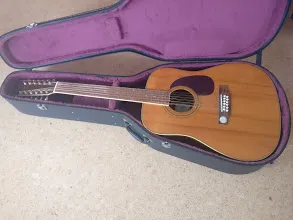
Every small venue has a guitar behind the bar, in a cupboard, or leaning against a radiator. Playing it for twenty minutes can undo a decade of habit — and show you which parts of your songs are actually yours. A field note on high action, slipping tuners and the strange freedom of an instrument that owes you nothing.

Somewhere Past Crewe: Notes on Writing Songs at Ninety Miles an Hour
Tour Diary

Somewhere Past Crewe: Notes on Writing Songs at Ninety Miles an Hour

Half the songs on this autumn's run were written on trains — between the trolley run and the tannoy apology. A tour diary about window seats, delay announcements, and the particular rhythm of writing at speed, with five prompts you can take on your next journey.

Row Three, Second From the Aisle: Playing to the Person Who Came Back
Field Notes

Row Three, Second From the Aisle: Playing to the Person Who Came Back

A wet Tuesday in Sheffield, a familiar coat in row three, and a setlist that quietly rearranged itself. On why one face in a small room can change the order of a night, and what that teaches about nerve, audience and the letters we write in the dark.

The Chorus You Gave Me Back: Misheard Lyrics and the Art of Leaving Room
Studio Notes

The Chorus You Gave Me Back: Misheard Lyrics and the Art of Leaving Room

A song changes the moment someone sings it back — sometimes with the wrong words entirely. Kate Knight on the misheard lines she has quietly adopted, the ones she gently corrects, and what those slips reveal about writing choruses with a little breathing room.

The 22:47 Rule: When the Timetable Edits the Setlist
Tour Diary

The 22:47 Rule: When the Timetable Edits the Setlist

I plan small-room gigs around the last train home, and it has changed the way I write a set. This is a practical, personal note on hard stops, platform dashes, rail replacement buses and why a deadline can make a show kinder.

Cold Tea and Honest Ears: Trying Songs Before the Room Does
Studio Notes

Cold Tea and Honest Ears: Trying Songs Before the Room Does

Kate on the kitchen-table ritual that happens long before a new song meets a paying crowd: the kettle, the biscuits, the friend who says the chorus arrives too early. A practical guide to low-pressure testing, reading real silence, and knowing when a song is ready for a UK stage.

Borrowed Ears: What the Support Slot Taught Me About Starting Cold
Tour Diary

Borrowed Ears: What the Support Slot Taught Me About Starting Cold

The support slot is a strange little apprenticeship: thirty minutes in a room that belongs to someone else, with a crowd still deciding whether to look up. Here’s what I’ve learned about warming a borrowed room, pacing a short set, and why the opener is often the most honest gig of the night.

The Room Refills: Choosing Music for the Gap Between Sets
Field Notes

The Room Refills: Choosing Music for the Gap Between Sets

The bit between sets isn’t dead air — it’s a room deciding whether to stay. A practical, personal note on picking interval music for small UK gigs, reading a half-at-the-bar crowd, and getting them back in without a cowbell.

The Long Walk Back: On Endings That Don’t Need a Sequel
Field Notes

The Long Walk Back: On Endings That Don’t Need a Sequel

The walk-off, the wait, the second surge of clapping: a wry look at the encore ritual from the corridor behind the stage. What it costs a solo performer, why rooms still love it, and how to end a night without pretending the ending was an accident.

After the Clapping Stops: A Field Guide to Finishing Well
Field Notes

After the Clapping Stops: A Field Guide to Finishing Well

The encore gets all the attention, but the closer does the actual work. Notes from a decade of small rooms on choosing the last song, reading a crowd at ten o'clock, and why leaving people lifted is not the same as leaving them merely finished.

The Book With No Spine Left: What the Merch Table Hears After the Last Song
Field Notes

The Book With No Spine Left: What the Merch Table Hears After the Last Song

A battered notebook sits by the merch table at most of my shows. It is not a mailing list and it is not a feedback form. These are the notes audiences leave when they think nobody is reading, and what they have taught me about the room.

Tea, Tape and the Thirty Minutes Nobody Films
Tour Diary

Tea, Tape and the Thirty Minutes Nobody Films

Doors at half seven means the real work starts at seven. A quiet look at the half-hour before a small show — the checks, the kettle politics, the tape, the sitting still — and why a bookshop, a village hall and a city venue each demand a different version of it.

Eight Words at the Till: A Notebook Method for Borrowed Speech
Field Notes

Eight Words at the Till: A Notebook Method for Borrowed Speech

Most of my songs start with a sentence I didn't write and can't quite shake. Here's how a line overheard in a till queue turns into a chorus, three exercises for trying it yourself, and an honest note about where close listening stops being polite.

Say Less, Land More: Notes on the Thirty-Second Story
Studio Notes

Say Less, Land More: Notes on the Thirty-Second Story

Why some between-song introductions land and others ramble — and how I learned to edit stage patter with the same ruthlessness as a lyric. A humorous deep dive into the craft of the thirty-second story, with small-room examples and rules for knowing when to speak and when to say nothing.