The 22:47 Rule: When the Timetable Edits the Setlist
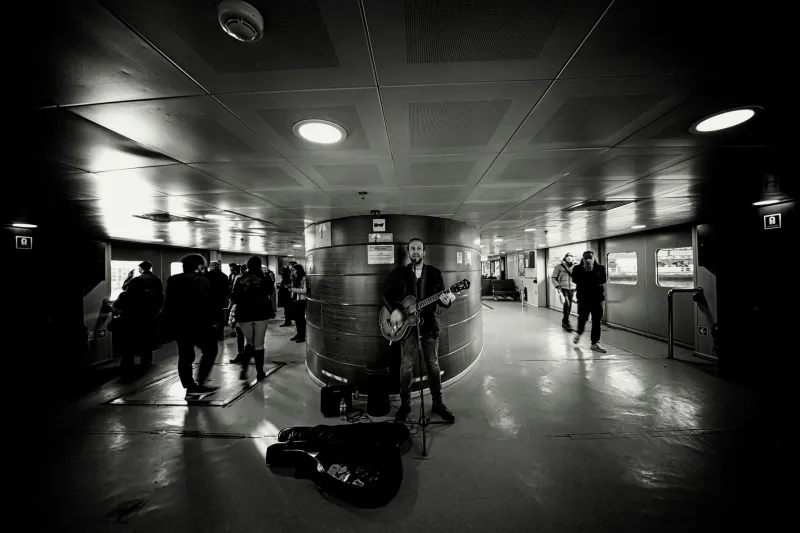
I have a rule now. Before I agree to a gig, I check the last train home. Not the fee, not the stage size, not whether there is a piano or a decent cup of tea within walking distance. The train.
It sounds unromantic, and perhaps it is. But the last service has become one of the most useful editors I have. It trims the waffle. It makes me decide what the night is actually for. And it has taught me that a gig with a hard stop can feel more intimate, not less.
The gig that taught me to read a timetable
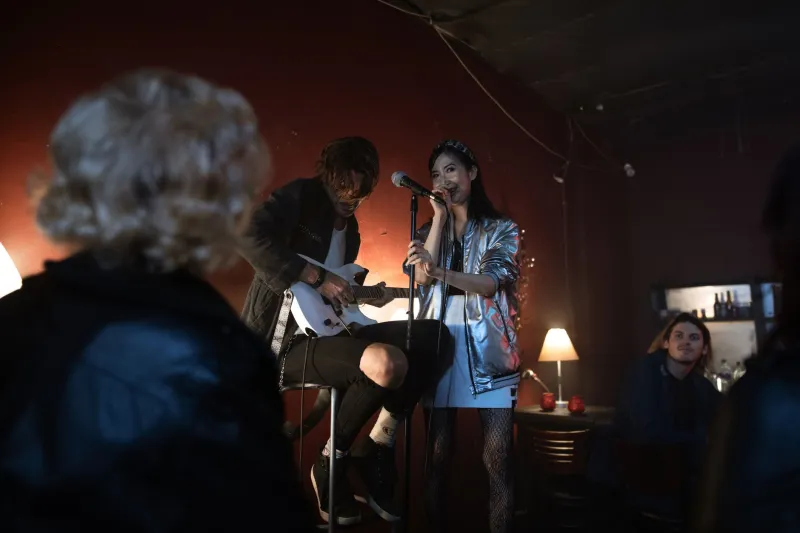
A few years ago I played a upstairs room in a town I won’t name, partly because the venue has since changed hands and partly because I am still slightly embarrassed by how the evening ended. The show was lovely. The audience were warm. The promoter kept saying, ‘One more?’ and I kept saying yes, because the room was full and the songs were landing and the alternative was packing up.
What I had not factored in was that the last train left at 22:47, the station was a twenty-minute walk, and the encore was a slow one. I made the train by perhaps ninety seconds. I stood in the vestibule with my guitar case wedged against the door, heart going, and realised I had spent the final song watching the clock rather than the room.
That is not the feeling I want to give anyone. So I changed the approach.
What a hard stop does to a set
When there is a train to catch, the set list stops being a wish list and becomes a route map. I mark three things: the song that has to happen, the song that can go if the room is slow, and the song that only works if we have earned it. That last category is dangerous. It is also where the best endings live.
A hard stop forces honesty about pacing. You cannot spend seven minutes tuning and telling a shaggy-dog story about a motorway services if the platform announcement is already looming. You learn to group the quiet songs earlier, before the room has had too much to drink. You learn that a two-song encore is sometimes one song and a proper thank you. You learn that finishing on time is a form of respect.
It also makes the show feel like a room rather than a stream. Everyone in the audience has a last train too, or a babysitter, or a bus that stops running at a sensible hour. When I say from the stage, ‘We have got until about half past ten, and then I have to run for a train,’ people laugh, but they also relax. The boundary is shared. Nobody has to wonder when it will end.
The encore maths
I do encore maths now. It is not glamorous. It goes like this: distance to station, minus five minutes for packing, minus three minutes for the inevitable conversation at the merch table, minus a buffer for the fact that I always underestimate how long it takes to find my coat. If the answer is less than the length of the song, the song does not happen.
Some promoters find this fussy. I understand. They want the night to feel generous. But there is a difference between generosity and overrunning. A rushed encore is not a gift; it is a panic attack with chords. I would rather play a tight, complete set and leave people wanting one more than play a loose one and leave them watching me sprint past the chip shop.
Rail replacement buses have their own logic. If the last train is actually a coach from the station forecourt, I add twenty minutes and subtract all optimism. I have stood in a car park at midnight with a guitar case and a paper cup of tea, waiting for a bus that was promised for 23:15 and arrived at 23:50. The gig was good. The journey home was a form of character building. I now check whether the replacement service is a coach or a minibus, because a minibus means the guitar goes on my lap and the driver takes corners like he is auditioning for a film.
Venue rules I now use
I have a short list of questions I ask before saying yes to a small-room show. How far is the station, honestly, not as the crow flies? Is the walk lit? Is there a later service if the first one is cancelled? Does the venue have a clock I can see from the stage, or will I be relying on my phone and looking like I am checking emails mid-song?
I also look at the shape of the night. A gig that starts at eight and has three support acts is a different animal from a headline set at nine. If the bill is long, I ask for an earlier slot or I accept that my set will be shorter and plan accordingly. There is no shame in a forty-minute set. There is shame in a forty-minute set that thinks it is seventy.
And I choose venues near stations when I can. Not because I am practical by nature, but because I have learned that the walk to the station after a show is part of the show. It is where the songs settle. It is where you hear the room again in your head. A ten-minute walk is a gift. A forty-minute walk along a dual carriageway is a test of faith.
The strange intimacy of a deadline
Here is the thing I did not expect: the hard stop has made me a better performer. When I know the set has an edge to it, I pay more attention. I stop drifting. I talk less between songs, or I talk better. I look at the room properly because I am not saving anything for a vague later.
In 2026 I have played rooms where the last train was at 22:47, rooms where it was at 23:12, and one room where the last service was a bus that did not exist. Each one asked the same question: what can you do with the time you have? The answer is usually more than you think, as long as you are honest about the clock.
So yes, I plan around the timetable. I build the set backwards from the platform. I carry a torch, a charged phone, and a folding raincoat that makes me look like a damp bin bag. And I try to end the night with a proper goodbye, not a dash.
The last train is not the enemy of the gig. It is just another collaborator, and it has very strong opinions about the ending.