After the Clapping Stops: A Field Guide to Finishing Well
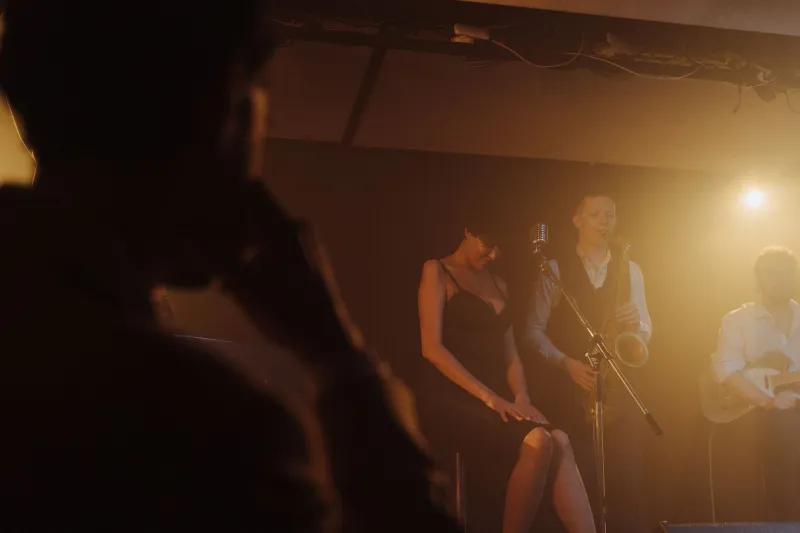
There is a moment, roughly ninety seconds after the final chord, when a room quietly decides what it thought of you. I have stopped believing that moment belongs to the encore. It belongs to whatever song you chose to walk out on.
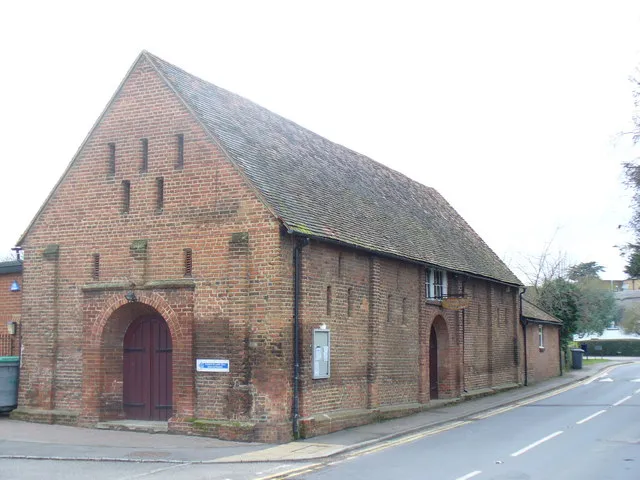
I have played enough village halls, back rooms above pubs and slightly optimistic arts centres to know that endings are not an afterthought. They are the part people carry to the bus stop. And yet we treat the closer as the bit we sort out on the night, somewhere between tuning the guitar and finding the capo.
The encore is a habit, not a rule
Somewhere along the line, the encore stopped being a spontaneous demand and became a piece of theatre we all agree to perform. Band leaves. Crowd claps. Band returns. Everyone pretends to be surprised.
In an arena, that works. There is a corridor to vanish into and a lighting cue to make it feel like an event. In a two-hundred-capacity room in Sheffield, the place you disappear to is the corridor by the toilets, and you can see the coat rack from the stage. The pantomime starts to feel a bit silly.
My view, offered gently: in small rooms, the encore is usually unnecessary. If the set has been built properly, the last song should already be the last song. Put the extra song inside the set instead of after it. Nobody leaves disappointed because they did not get a second goodbye. They leave having heard a full thing.
There is an exception. If the room genuinely will not let you go, and you have something left that is not just filler, then fine. But the default should be a clean ending, not a contractual obligation.
The room tells you how to end
A closer that works in a quiet listening room in Bristol will die on its feet in a Friday-night pub gig in Newcastle. This is not a failure of the song. It is a failure of reading the room.
Room size matters more than people think. In a small space, a single unaccompanied verse can fill the whole place. There is nowhere for the sound to go, so it stays with the audience. In a larger room, that same moment can evaporate somewhere around the fourth row.
Curfew matters too. Most of the small venues I play have a hard out at half ten, sometimes ten. That is not a suggestion. It is the difference between the staff getting home and the licence being safe. A closer that runs long and ends at 10:29 does nobody any favours.
And audience mood is the third lever. A seated, attentive crowd can handle something slow and unresolved. A standing crowd three drinks in needs a landing, not a cliff edge. Neither audience is wrong. They just need different doors.
Two kinds of silence
There is a silence that means finished and a silence that means lifted. They sound almost identical on a recording. In the room, they are completely different.
Finished is polite applause while someone is already putting their coat on. It is the sound of a gig that happened.
Lifted is a half-second of held breath before the clapping starts. It is the sound of a room that is not quite ready to be a room again. That is the one I am aiming for.
I have learned a few practical things about getting there. End on a song that resolves, even if the resolution is quiet rather than triumphant. Leave the last chord ringing and walk off before it fades, rather than waiting for it to die and then saying thank you. Put the big singalong second-to-last, so the actual final song can be something smaller and more honest. And resist the urge to explain the last song before you play it. The chat before a closer should be short. Let the song do the talking.
Curfews, last trains and the ten o'clock truth
There is a very unglamorous side to this that nobody writes about: the closer also has to get people home.
If the last train is at 11:05 and the venue is a fifteen-minute walk from the station, a song that ends at 10:20 gives people time to say goodbye, buy a tape, and still make it. A song that ends at 10:40 turns the merch table into a stress dream.
So I think about the ending in terms of the whole night, not just the stage. The song they hum on the walk to the station is usually the last one, or the one just before it. That is worth getting right.
What I actually do now
Before every gig, I write down the last three songs as a unit. Not the whole setlist, just the ending. That way I am not making a decision at ten o'clock at night with a borrowed guitar and a dry throat.
I always have an emergency closer in my pocket: something short, something I could play if the room turns or the PA starts humming or the curfew moves. I never end on a brand-new song unless it is a listening room and I have warned people first. And I always thank the room, the sound engineer and the bar staff by name if I can. It is not part of the song, but it is part of the ending.
The clapping stops either way. What matters is what the room is left holding when it does. I would rather leave people lifted than finished. I would rather leave them with a door than a full stop.