Plug In, Sweep Up, Begin: A Working Guide to the Village Hall Circuit
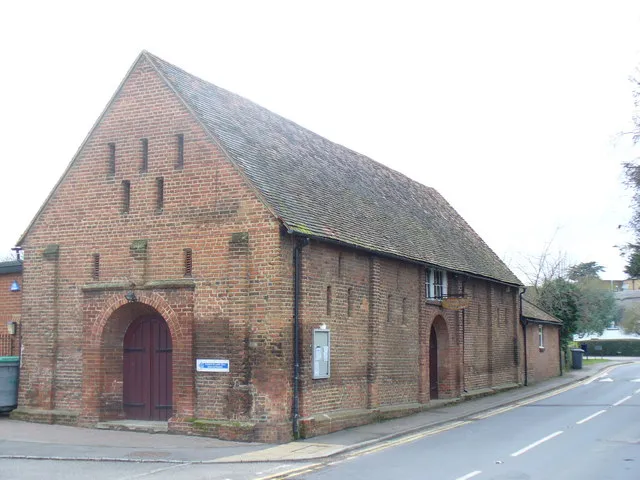
Photo: Colin Smith, CC BY-SA 2.0, via Wikimedia Commons
I have played a room where the load-in was through a working kitchen, a hall where the "stage" was two risers and a piano nobody was allowed to move, and an arts centre corner where a structural pillar stood exactly where the guitarist wanted to stand. All of them sold out. All of them were, in their own way, better than a sticky-floored venue with a proper monitor desk.
So this is a field guide, of sorts. Not a lecture — I've got it wrong plenty of times — but the things I now check before I agree to a date, and the small details that make a grassroots gig feel full rather than merely full of chairs.
Before you say yes
Ask four questions on the phone, not by email, because people tell the truth on the phone.
- What time is access? If the hall is booked from 6pm and doors are 7:30, you have ninety minutes and that is not enough with a five-piece band. Two hours minimum.
- Is there a caretaker on site, and when do they leave? This is the single biggest determinant of how the night ends. If they go at ten, you are packing down in the dark with a bin bag.
- What's the power situation? Standard 13-amp sockets around the skirting, or one lonely double behind the stage? Ask about PAT testing — most parish councils want to see certificates, and a lot of hired PAs come with them.
- What's the acoustic actually like? A high-ceilinged Victorian hall will ring like a swimming pool. A carpeted church room will swallow everything. Neither is a problem if you know in advance.
Load-in: the bit nobody films
Every village hall has a load-in route, and it is never the one you'd choose. There's the fire door that's bolted from the inside. The step that's actually a small cliff. The corridor with the tea urn in it.
My working method: walk the route once, empty-handed, before anyone carries anything. Note the width of the narrowest door. Then set up a chain — one person on the van, one at the door, one inside — rather than everyone doing that awkward shuffle where four people try to carry a bass cab through a porch at once.
Also, and I cannot stress this enough: bring a broom. Halls are swept by volunteers at 5pm and by nobody after that. Ten minutes with a broom before the gear goes down protects your cases, your cables and your goodwill.
Making one borrowed PA behave
Most grassroots PAs are a pair of 12-inch tops on stands, a mixer with a sticky fader, and one channel that hums. You can absolutely do a great show on that. The trick is to stop treating it like a small version of a big rig.
- Keep the vocals forward. In a reverberant hall, clarity beats volume every time. If it's ringing, it's too loud — pull 2–3dB and let the room do the work.
- Use the room, not the reverb. High ceilings give you a natural tail. Adding more is like putting a hat on a hat.
- One monitor if you're lucky. Position it so the singer can hear the vocal and the acoustic, not the whole band. Fighting for a full mix on a single wedge is how feedback happens.
- Label your channels with masking tape before soundcheck. The 8pm panic is always about which line is the DI.
- Bring your own XLRs, a spare DI, gaffer and a plug adapter. The hall's cable box is a graveyard.
Light: three lamps and a dimmer
Nobody books a village hall for the lighting plot. What you want is warm, low and slightly pooled — a couple of par cans on the floor pointing up at the back wall, maybe one on the performer's face at a low angle. If there's a domestic dimmer in the cupboard, use it. If not, a warm floor lamp from the green room has saved more than one night.
Avoid the overhead fluorescents during the set. That's it. That's the whole tip. Bright, flat, blue-white light makes an audience self-conscious and a performer look like they're at a job interview.
Where the audience sits (and why it matters)
Chairs in straight rows make a hall feel like a parish meeting. A horseshoe feels like a folk club, which is warmer but can leave the back three rows behind the speakers where the sound is muddier.
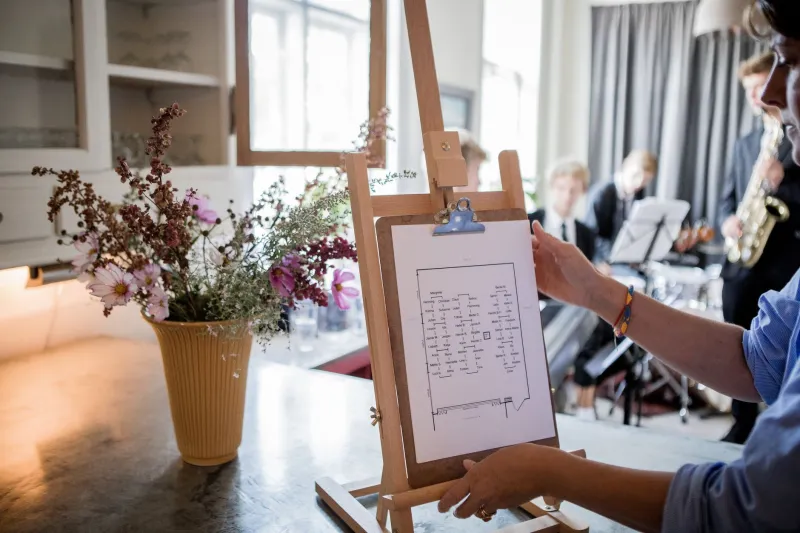
My preference for a 90-capacity hall: cabaret-style, small clusters of four, with a clear central aisle to the front. It fills the space, gives people somewhere to put a drink, and lets late arrivals slot in without that terrible moment where the whole room turns to watch.
If it's a standing show, mark out the front two metres with tape so nobody drifts into the mic stand. And always, always leave a gap between the front row and the stage — nobody wants to be breathing on the singer.
The caretaker is the headliner
I mean this sincerely. The person with the keys decides whether the heating is on, whether you can use the kitchen, whether the chairs go back in the cupboard in the right order. Be nice to them. Bring them a cup of tea at the interval. Ask their name and use it.
I once watched a promoter lose a venue for a year because a chair stack was left wrong. The gig was great. The relationship wasn't.
The checklist that actually gets used
- Access time, caretaker's name and number, alarm code
- Door width and load-in route walked
- Broom, bin bags, blue roll, gaffer
- Spare XLRs, DI box, plug adapters, extension reels
- PAT certificates sent ahead where required
- Channel list taped to the desk
- Warm low light, overheads off
- Seating plan drawn out on paper before the doors open
- Merch table with a lamp and change
- Who's doing the raffle, and who's counting it
- A named person on the door with the guest list
- Pack-down order agreed before the encore
None of it is glamorous. All of it is the difference between a night that feels like an event and a night that feels like a rehearsal someone accidentally charged for. The smallest stages in the UK are not a lesser version of the real thing — they're the real thing, with worse parking and better tea.