The Good Extension Lead: What a Show-Week Group Chat Tells You About the Room
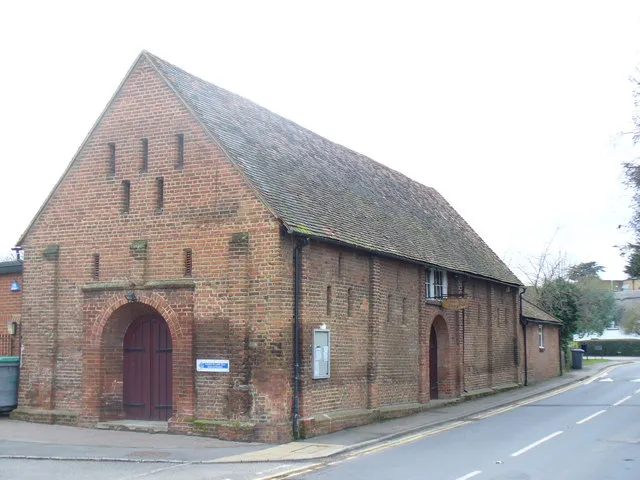
Photo: Colin Smith, CC BY-SA 2.0, via Wikimedia Commons
There is a particular kind of group chat that begins with a door code and ends with someone asking whether anyone has seen a black beanie. I have come to think of it as the support act to the gig itself: unseen, unglamorous, and absolutely load-bearing.
The week of a small show is not really a week of music. It is a week of messages. A promoter sends a photo of a car park with an arrow drawn on it. A volunteer asks if we need the tea urn or just the kettle. Someone types the words “the good extension lead” and everyone in the chat understands exactly what that means.
By the time I walk into the room, I have already spent several days in it. Not physically, obviously. But the chat has done its own kind of soundcheck.
The First Message Is Never About Music
It usually starts with a practical question. Where do I park? Which door is open? Is there a step between the loading bit and the hall itself? These are not rock-and-roll enquiries, but they are the ones that decide whether the night begins with a calm walk-through or a frantic lap of the block.
I have learned to read the first few messages like weather. If the promoter replies with a clear photo, a name, and a time, the room is probably in good hands. If the reply is a voice note recorded while walking through a corridor, that is also fine — often better, actually. It means someone is standing in the space, thinking about it on my behalf.
The chat is where the gig becomes real. Before the amps are plugged in, before the setlist is taped to the floor, there is a small digital room full of people trying to make a physical room work.
A Door Code Is a Love Letter
There is something oddly tender about a door code. Four digits, sometimes six, sent with the caveat “it sticks a bit, lift the handle.” That sentence tells you more about a venue than a website ever could.
One promoter I work with sends the code alongside a photo of the correct entrance, circled in red, because the hall has three doors and only one of them is the one you want. Another sends a diagram. I have kept some of these diagrams in a folder on my phone, next to setlists and receipts, because they are part of the same archive: proof that a room was borrowed and returned.
The code is also a small act of trust. It says: come in, this is yours for the evening. Try not to set the alarm off.
Parking, Lamps, and the Moral Weight of an Extension Lead
Parking is the quiet drama of every small gig. The chat will contain at least one message about whether the car park behind the Co-op is free after six, and at least one reply from someone who lives locally and knows the answer. There will be a discussion about whether the loading bay is actually a loading bay or just a bit of pavement with ambitions.
Then there are the lamps. Small venues are lit by borrowed lamps. A promoter will offer a standing lamp from their front room. A volunteer will mention that the hall has “quite a nice warm one” in the cupboard. Someone will ask if we need it, and the answer is always yes, because the difference between a room that feels like a room and a room that feels like a waiting area is often one lamp placed slightly to the left.
But the true hero of the show-week chat is the extension lead. Not any extension lead. The good one. The one with the long cable and the reassuringly chunky plug. The one that someone is bringing specially. There is a whole moral economy in that sentence: I have the good lead, I will bring it, you do not need to worry.
When I arrive and see the good lead coiled by the stage, I relax. It is not a musical thing. It is a sign that someone has thought about the night in the same way I have: not as a performance, but as a series of small problems that can be solved in advance.
When the Chat Goes Quiet
The silence matters too. There is a point, usually the afternoon of the show, when the messages thin out. The door code has been sent. The parking has been agreed. The lamp is in the car.
A quiet chat is not a bad sign. It often means everyone knows what they are doing. The room has been prepared in words, and now it can be prepared in person.
The chatty ones are different. They are not worse, just more conversational. A chat full of jokes and tangents usually means the room will be warm, slightly chaotic, and full of people who are happy to be there. A chat that is all bullet points and timings usually means the room will be efficient and kind and perhaps a little brisk. Neither is wrong. You just adjust.
The Tone Arrives Before You Do
By the time I soundcheck, the group chat has already set the temperature. If the messages have been generous and clear, I walk in generous and clear. If they have been anxious and last-minute, I have to do a bit of quiet work on myself in the car before I pick up the guitar.
That is the part nobody films. The admin is not separate from the performance. It is the first layer of it. The person who sends the door code is in the room, in a way. The person bringing the good extension lead has already made the stage a little safer.
So when the first chord lands, it is not really the first sound of the night. The night started days ago, in a group chat, with a photo of a car park and a promise about a lamp. The room was built in messages before it was ever built in music. And if the chat was kind, the room usually is too.